

The Government’s inability to rein in the cost of living is biting, our survey of members for 2026 shows. More than 7,600 members responded to the survey.
Seventy per cent of members are finding it harder to afford basic necessities such as food, housing and utilities. Five per cent of members – the equivalent of 3,000 workers –say they have to rely on foodbanks. Māori, Pacific and Indian workers were more likely to struggle to afford the basics.
HUGE PRESSURE ON MEMBERS
The cost-of-living crisis has been cumulative and shows no sign of letting up. Inflation for the year to December 2025 was running at 3.1% and rose another 0.9% in the first quarter of 2026.
These increases have put huge pressure on members. Almost half of members said that they felt less financially secure than they did six months ago. Two thirds of members said that the rising cost of living has negatively impacted their mental wellbeing.
WHAT MEMBERS ARE BEING PAID
The survey data showing what members earn provides some context to the pressure being felt by many. More than half (54.3%) of members earn less than $90,000. The average member salary is $90,760. The range of salaries members earn is shown in the table below:
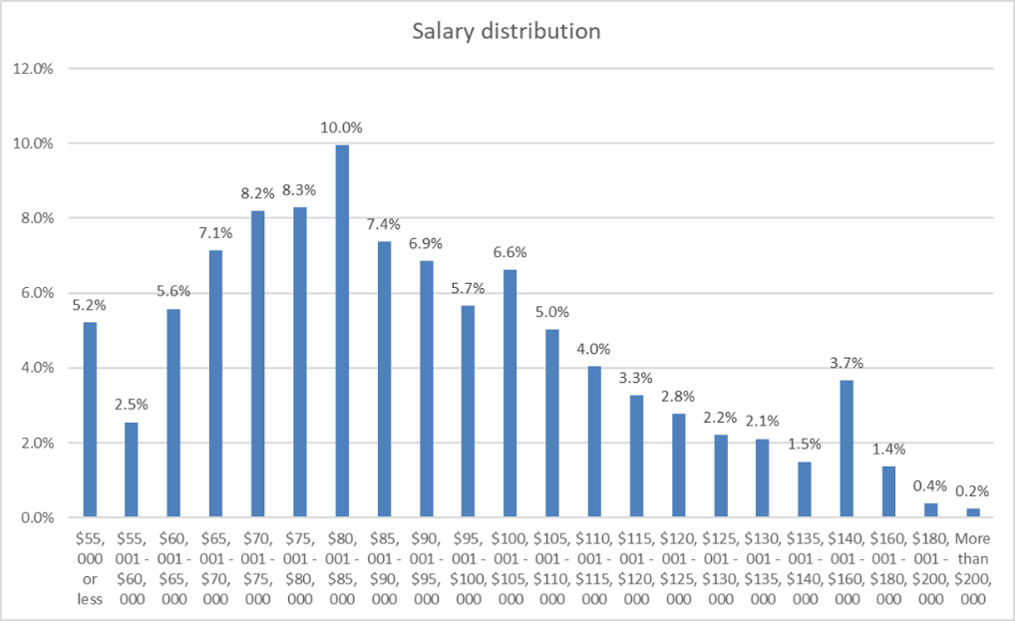
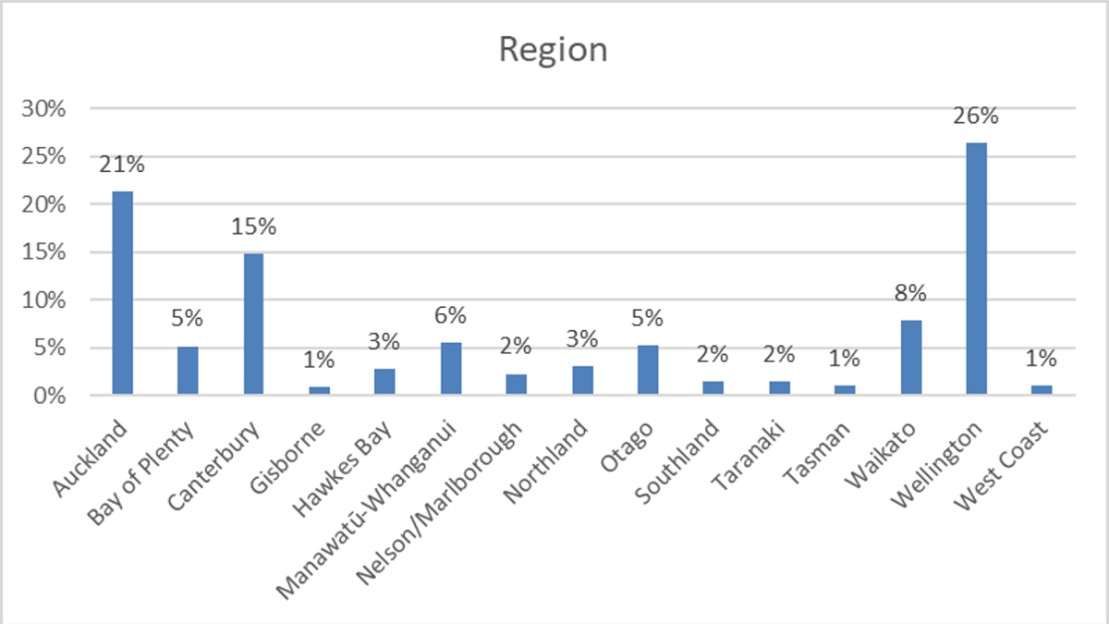
The salary data was from members based in 330 different towns and cities across the motu. The regional breakdown of members who completed the survey is shown in the table below:
THE BRAIN DRAIN
The high cost of living threatens to undermine the future of public and community services, if the next generations of public and community service workers leave the country.
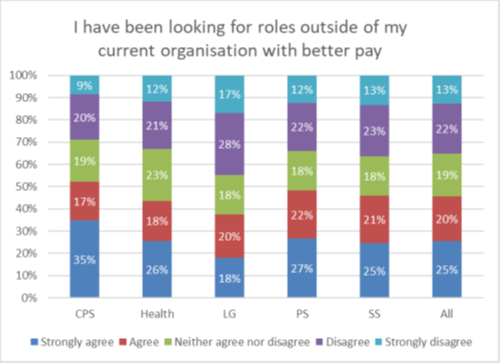
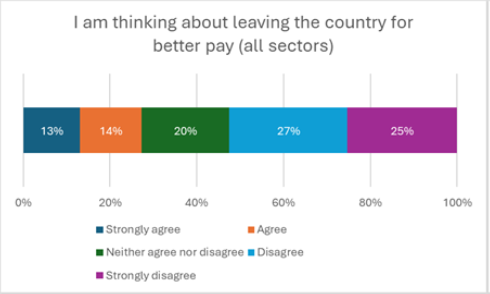
More than a quarter of members are thinking of leaving the country for better pay, the survey showed. Younger workers were much more likely to be thinking of leaving; almost half of members under 25 were thinking of leaving the country for better pay.
JOIN THE UNION
While the Government needs to deliver on its promise to fix the cost of living, belonging to a union can make a difference. Collective bargaining has delivered higher pay increases than workers on individual agreements receive.
Strong public and community services that members deliver and advocate for can reduce the costs that we have to pay. For example, ACC ensures that the costs of injuries are borne collectively rather than individually – and prevents cost-of-living crises for many.
It’s tough right now, but belonging to a union means we are not hopeless. We can work together to push against the tide and make progress.

