
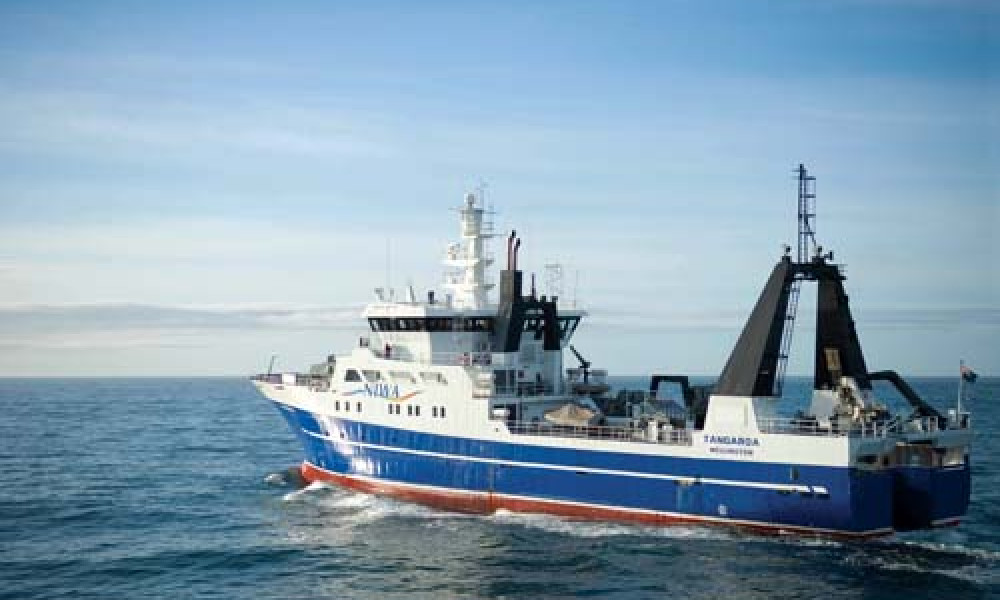
Seagoing staff at GNS often work 84-hour weeks while at sea, and are paid a “seagoing allowance” for extra time at sea. This allowance had not been changed since 2001.
The allowance was modelled alongside the National Institute of Water and Atmospheric Research (NIWA), whose seagoing staff often share research vessels with GNS. While NIWA’s allowance had increased over time, GNS’s allowance had stayed the same.
Bargaining hard
Improving the seagoing allowance was made a key claim in the 2022 bargaining for the Collective Agreement for all GNS members. The seagoing staff make up about 10% of the PSA membership at GNS, requiring the support of their
colleagues to have an updated allowance recognised in the agreement.
During bargaining, GNS showed little interest in changing the allowance, and instead proposed a restructured allowance instead of an updated one, which the seagoing
members rejected. In November 2022, GNS made a final offer to all members, which included the rejected allowance, hoping to divide the membership and have the agreement ratified by the 90% of non-seagoing GNS members.
Maintaining solidarity
Seagoing staff instead organised, and made a strong presentation speaking to their claim during the ratification meeting, which led to an outpouring of solidarity from the rest of the membership. The proposed agreement from GNS was convincingly voted down – largely because the seagoing staff’s claim hadn’t been adequately addressed.
After the ratification failed, GNS set up a working group with seagoing staff to continue negotiations on the claim – which would be included in the agreement as a variation and backdated to ratification date of the collective agreement.
The variation to the collective agreement, to include an updated seagoing allowance, was ratified in October 2023.

